Differences Between Automotive Connector Molds and General Molds: Mold Life, Precision, and Material Requirements
Introduction: Why Automotive Connector Molds Require More Than Just Drawings
In general mold development, the focus is often placed on whether the mold can meet drawing requirements and support molding and mass production needs. However, in the automotive connector industry, mold development is not merely a front-end manufacturing process. It directly affects product dimensional accuracy, terminal contact stability, assembly consistency, and long-term supply capability.
In this article, “general molds” mainly refers to molds used for general consumer electronics connectors. Compared with consumer electronics products, which usually have shorter product life cycles and faster development timelines, automotive connectors must meet longer vehicle life cycles, stricter quality validation requirements, and demanding operating conditions such as high temperature, vibration, humidity, and high current.
Therefore, automotive connector molds must be developed with stable mass production and quality consistency as core objectives, from design and material selection to trial molding, validation, and subsequent maintenance management. This article analyzes the key differences between automotive connector molds and general molds from the perspectives of mold life, dimensional accuracy, material wear, validation process, and preventive maintenance, while explaining how mold capability becomes an important manufacturing foundation for automotive connector reliability.
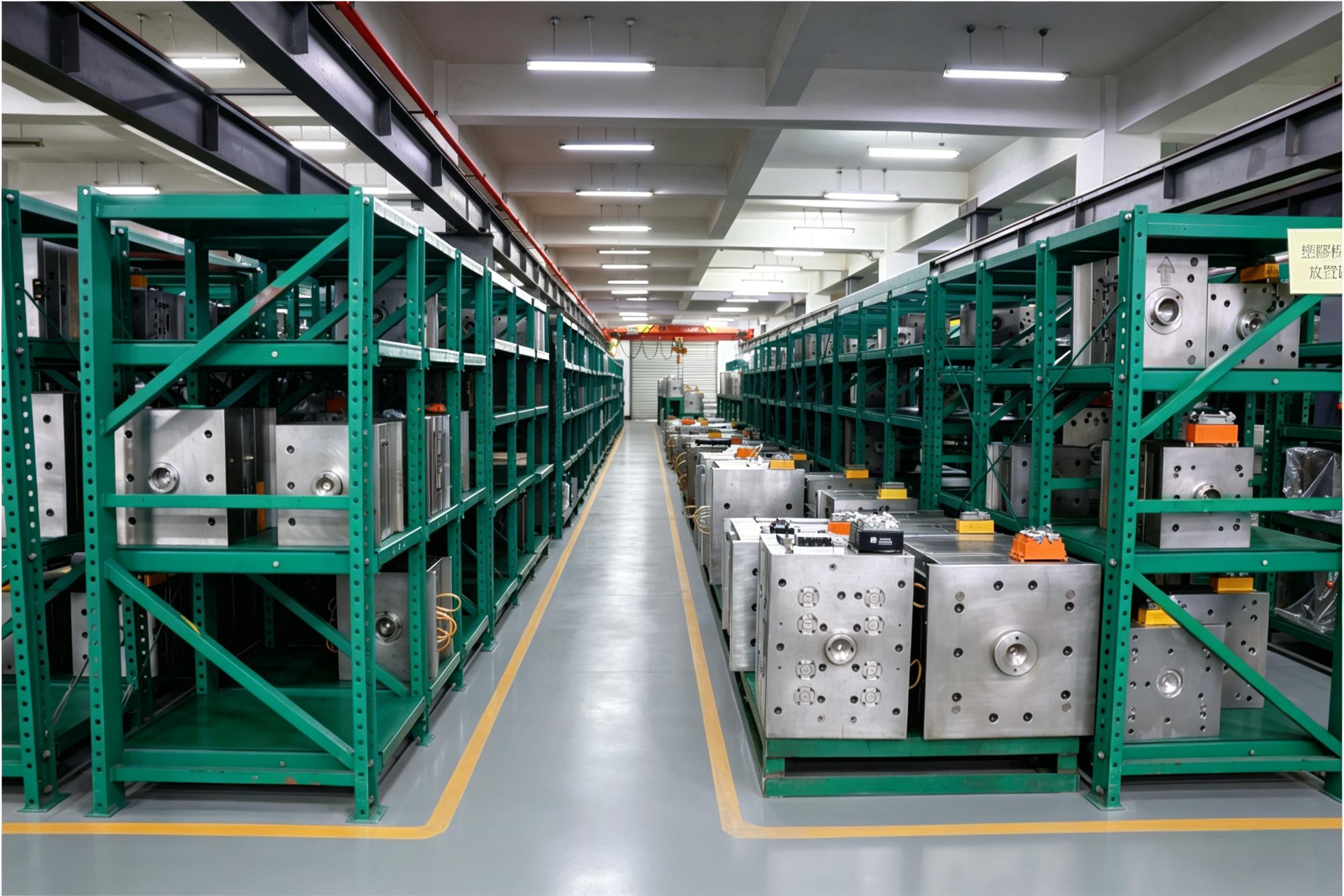
Mold Life: The Foundation of Long-Term Mass Production and Stable Supply
In precision manufacturing, mold life directly affects mass production stability and supply capability. General molds typically have a design life of 1 million to 10 million shots, while automotive industry requirements usually start from 5 million shots, with top-tier standards reaching 30 million shots or more.

These figures cover two core manufacturing areas in automotive connector production: precision stamping dies for metal terminals, and precision plastic molds for connector housings, protectors, and related components. Stamping dies are subjected to hundreds of impacts per minute and continuous wear, while injection molds must maintain cavity precision and consistent output across multiple cavities throughout repeated high-temperature and high-pressure molding cycles.
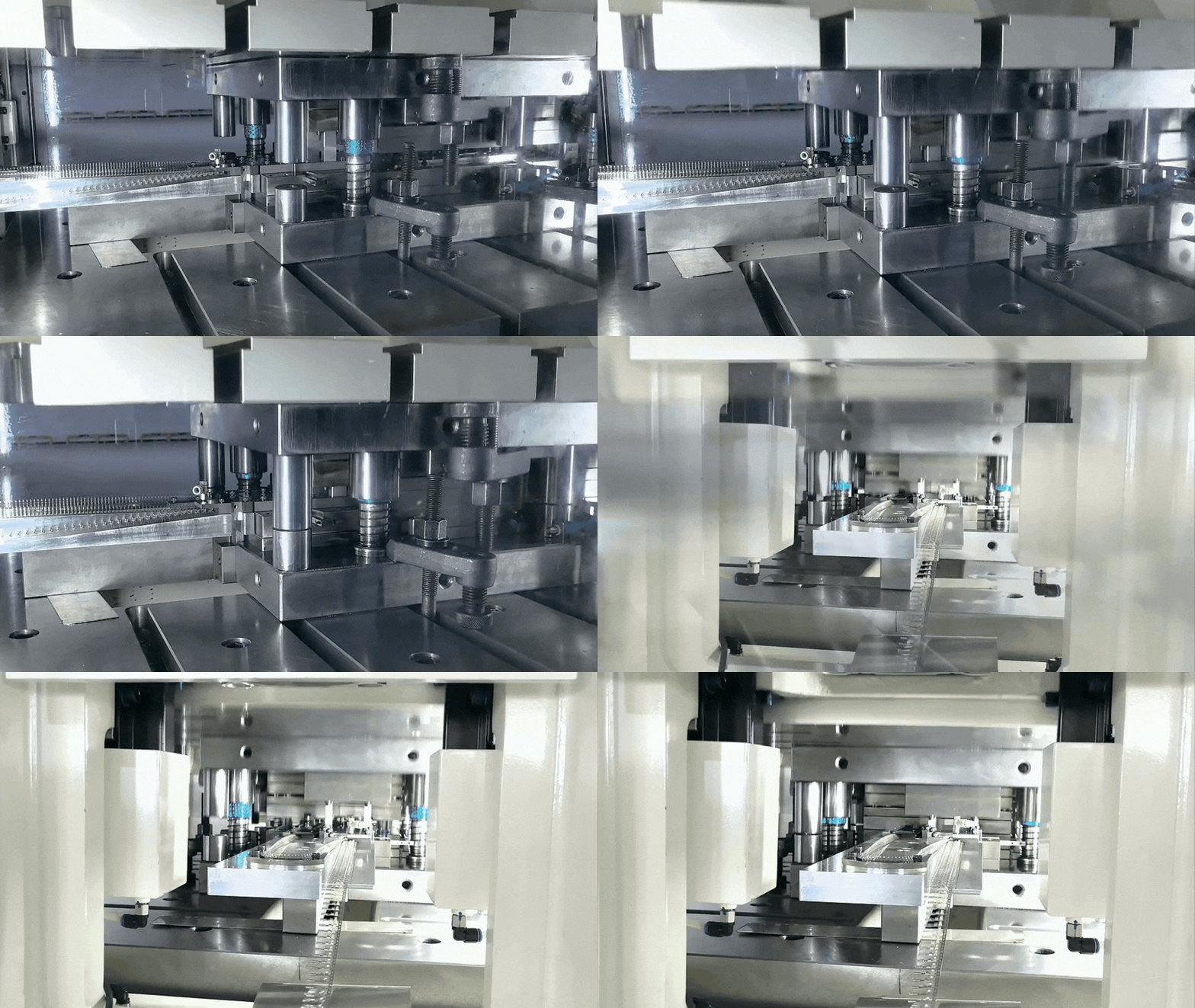
Metal terminal molds face rapid punch wear caused by high-strength alloys and must rely on special mold steels to extend service life. Plastic molds must ensure highly consistent output across each cavity in multi-cavity structures. Although the two processes differ, they share the same objective: maintaining stable, predictable, and controllable product quality throughout long-cycle mass production.
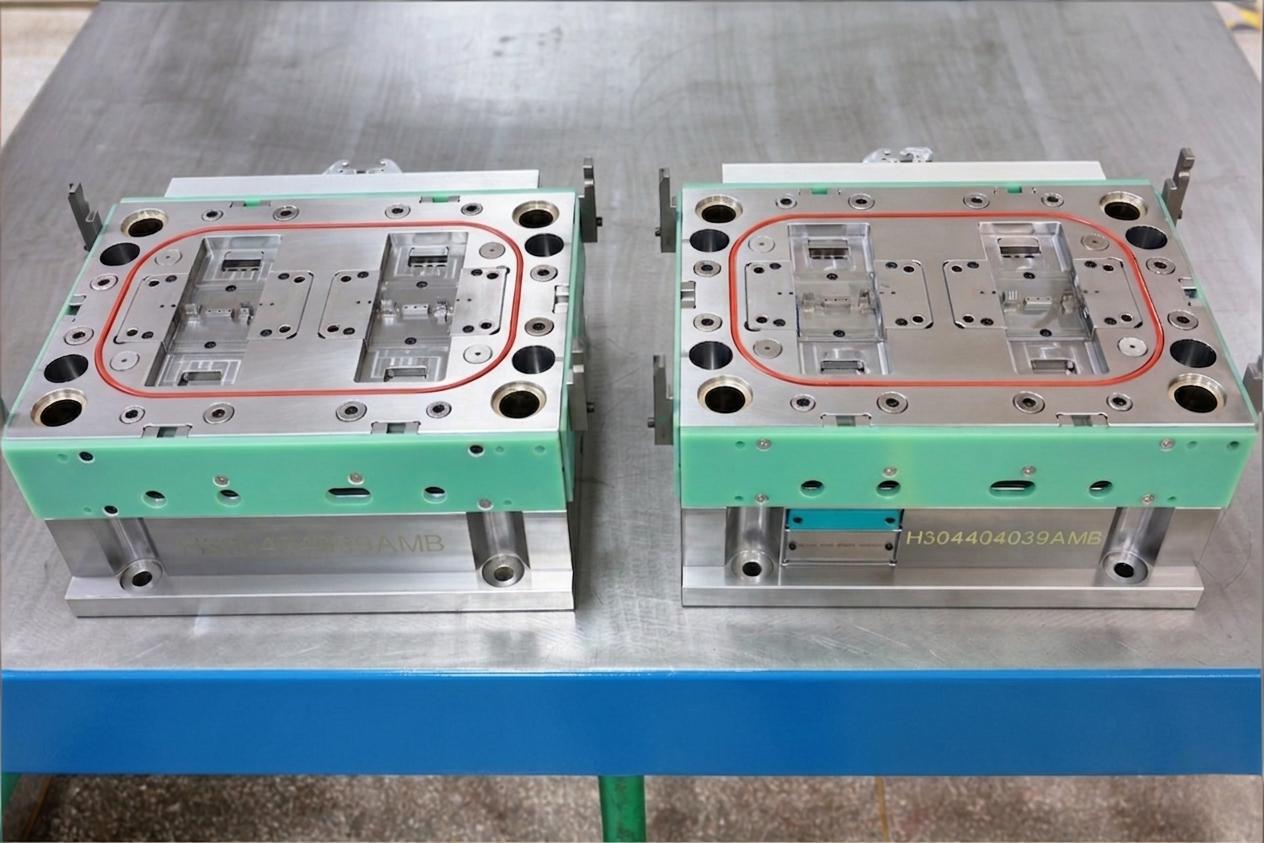
For the automotive industry, mold life is not merely a cost issue. Under the pressure of Just-in-Time (JIT) production and low inventory, any unexpected downtime for mold repair may disrupt an entire assembly line.

For automakers, mold life is a core requirement in Total Cost of Ownership (TCO) and a key factor in ensuring stable supply throughout a vehicle life cycle that may last up to 10 years.

Mold design life comparison:
- General consumer electronics connector molds: 1–10 million shots
- Automotive-grade connector molds: 5–30 million shots or more
Dimensional Accuracy: A Key Factor in Assembly Consistency and Electrical Performance
Automotive connector molds often require micron-level precision, with dimensional deviations that are difficult to detect with the naked eye. General molds typically have dimensional accuracy of ±0.01 to ±0.03 mm, while automotive-grade molds are required to achieve tighter accuracy of ±0.005 to ±0.01 mm. This requirement applies to both metal terminals and plastic components because both ultimately affect connector assembly quality, contact stability, and electrical performance.

With the rise of electric vehicles, precision is directly related to safety. In ECU and ADAS sensor applications, certain terminal pitches are only 0.5 mm. Micron-level deviations may lead to abnormal insertion force or signal interruption. BMS and high-voltage connectors involve high current and high reliability requirements. Slight dimensional deviations may cause abnormal insertion force, terminal misalignment, or unstable contact, leading to increased contact resistance and abnormal temperature rise. This may further increase the risk of overheating and fire, affecting overall system reliability.
For high-pin-count connectors, the position accuracy of dozens or even hundreds of pins within a plastic housing must meet strict tolerance requirements at the same time. Any single deviation may affect the quality of the final assembly.
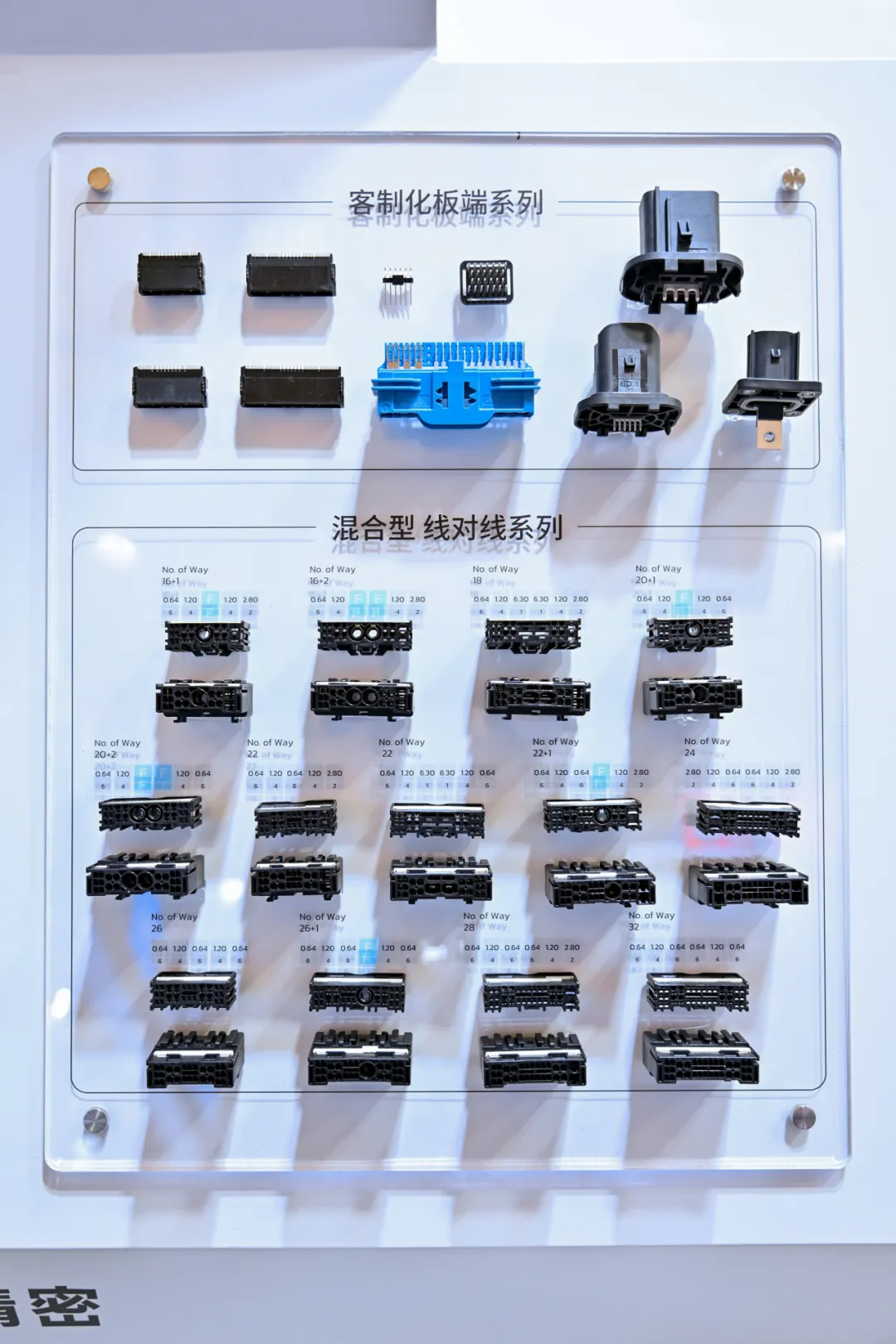
For metal terminals, precision challenges mainly come from material springback, mold wear, and terminal structure stability during high-speed stamping. For plastic parts, dimensional control must address material shrinkage, warpage, and cooling condition variations. During injection molding, plastic materials go through melting, flow, cooling, and shrinkage, making dimensional control more complex than simple external forming.
To control these variables, stamping dies require precision guide pillars and bushings, modular inserts, and protection mechanisms for micro punches. Injection molds require mold flow analysis to optimize gate design and cooling channel layout, helping keep deformation within an acceptable range.
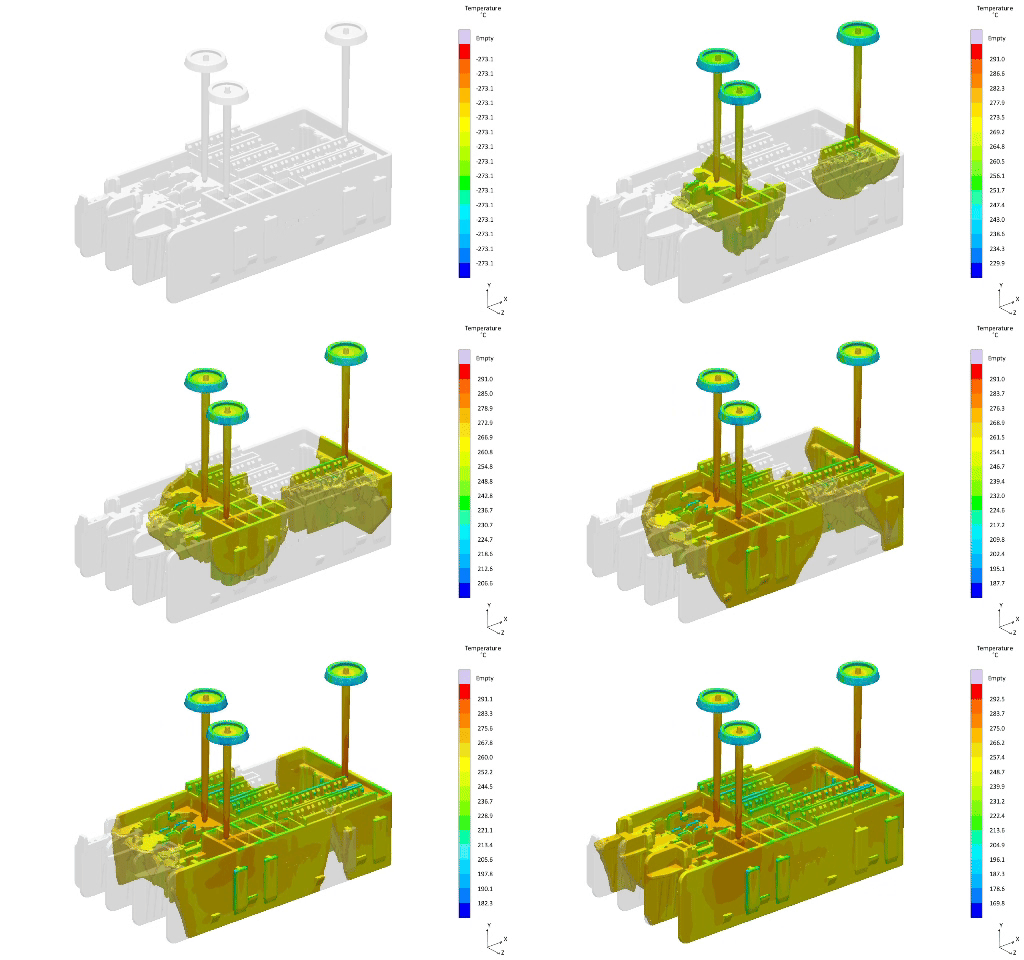
The automotive industry does not only evaluate whether a single finished part meets dimensional requirements. It places greater emphasis on statistical process capability under mass production conditions. For key dimensions, Cpk and related indicators are commonly used to verify process stability, and key safety dimensions may require Cpk ≥ 1.67. In other words, precision is not the result of one qualified sample. It must be validated by data and continuously maintained throughout mass production.
Materials and Wear: How Mold Material Selection Affects Long-Term Stability
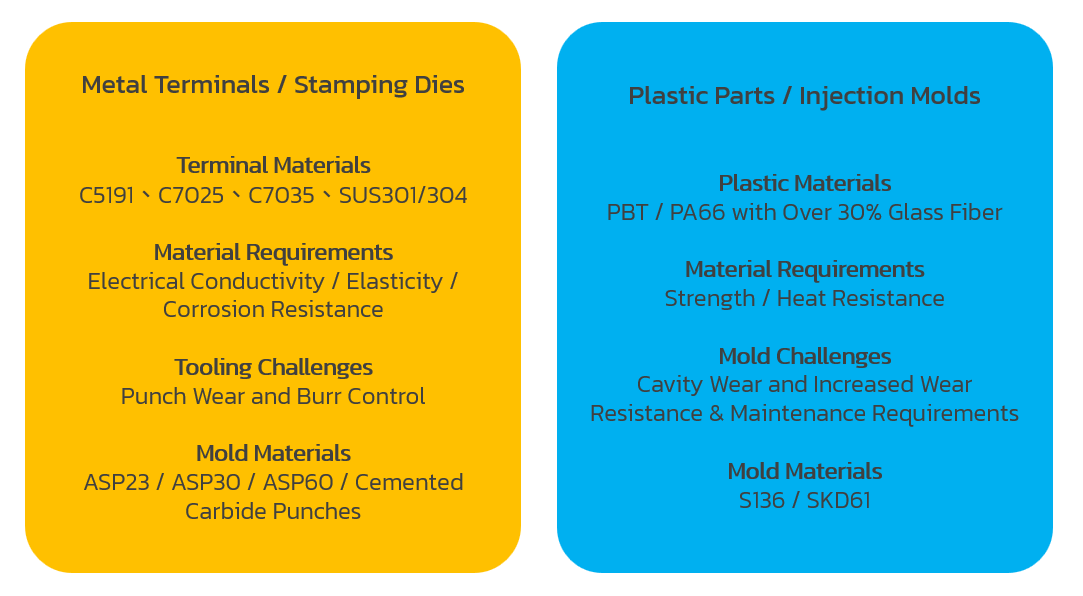
The material performance requirements of automotive connectors also increase the difficulty of mold development and maintenance. To balance conductivity, elasticity, and corrosion resistance, metal terminals often use materials such as C5191 phosphor bronze, C7025, C7035 copper alloy, and SUS301/304 stainless steel. While these high-strength alloys help improve product performance, they also increase punch wear and make burr control more challenging.
Plastic components face their own material challenges. High-performance plastics such as PBT and PA66 often contain more than 30% glass fiber to improve strength and heat resistance. As glass-fiber-reinforced molten resin flows rapidly through the mold cavity, the glass fibers continuously abrade the mold surface, increasing demands on mold wear resistance and maintenance.
In addition, many automotive connectors use insert molding, where metal terminals, copper bars, or nuts are pre-positioned inside the mold and then overmolded with plastic. This process also places higher demands on mold positioning accuracy, mold closing accuracy, and molding stability.
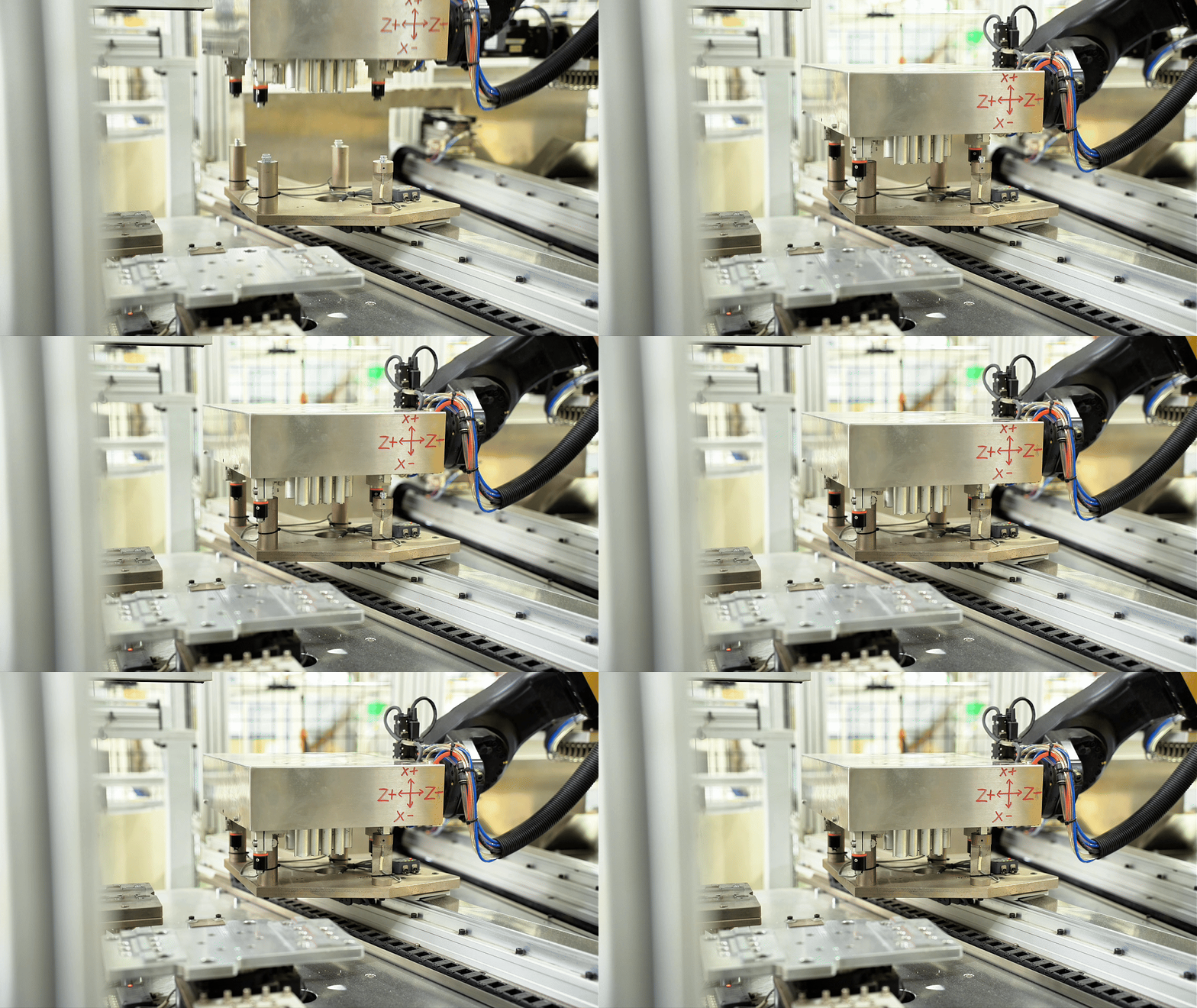
Therefore, automotive connector molds must be evaluated holistically based on product structure, material wear characteristics, production cycle, and customer quality requirements. On the stamping side, mold materials such as ASP23, ASP30, and ASP60 powder high-speed steels are often required, and carbide punches may also be used. On the injection molding side, mold steels such as S136, SKD61, and 8407, which offer wear and corrosion resistance, are commonly adopted.
Although high-strength mold materials increase cost and machining difficulty, for automotive connectors, maintaining one additional stable production cycle reduces not only maintenance cost, but also the risks of production interruption and quality fluctuation.
In addition to mold life, precision, and material requirements, automotive connector molds must also be integrated into complete development validation and mass production management processes. The next article will further explain how APQP, PPAP, preventive maintenance, and vertical integration support long-term stable mass production.